
Casual Dining in Mountain Villages
Casual dining in mountain villages blends welcoming spaces with a menu that features both local classics and broader choices. Restaurants in these areas often seat between 30 and 80 guests, making them intimate but rarely crowded. Many offer daily specials built around regional produce, while children’s portions and vegetarian dishes are standard. Proximity to sites like Lake Windermere draws families and walkers looking for a relaxed meal after a day outdoors. Prices typically fall below city averages, with main courses ranging from £12 to £18.
Reservations can be essential during peak tourist months, as tables fill quickly after major hiking events or local festivals.
How casual dining feels in mountain villages
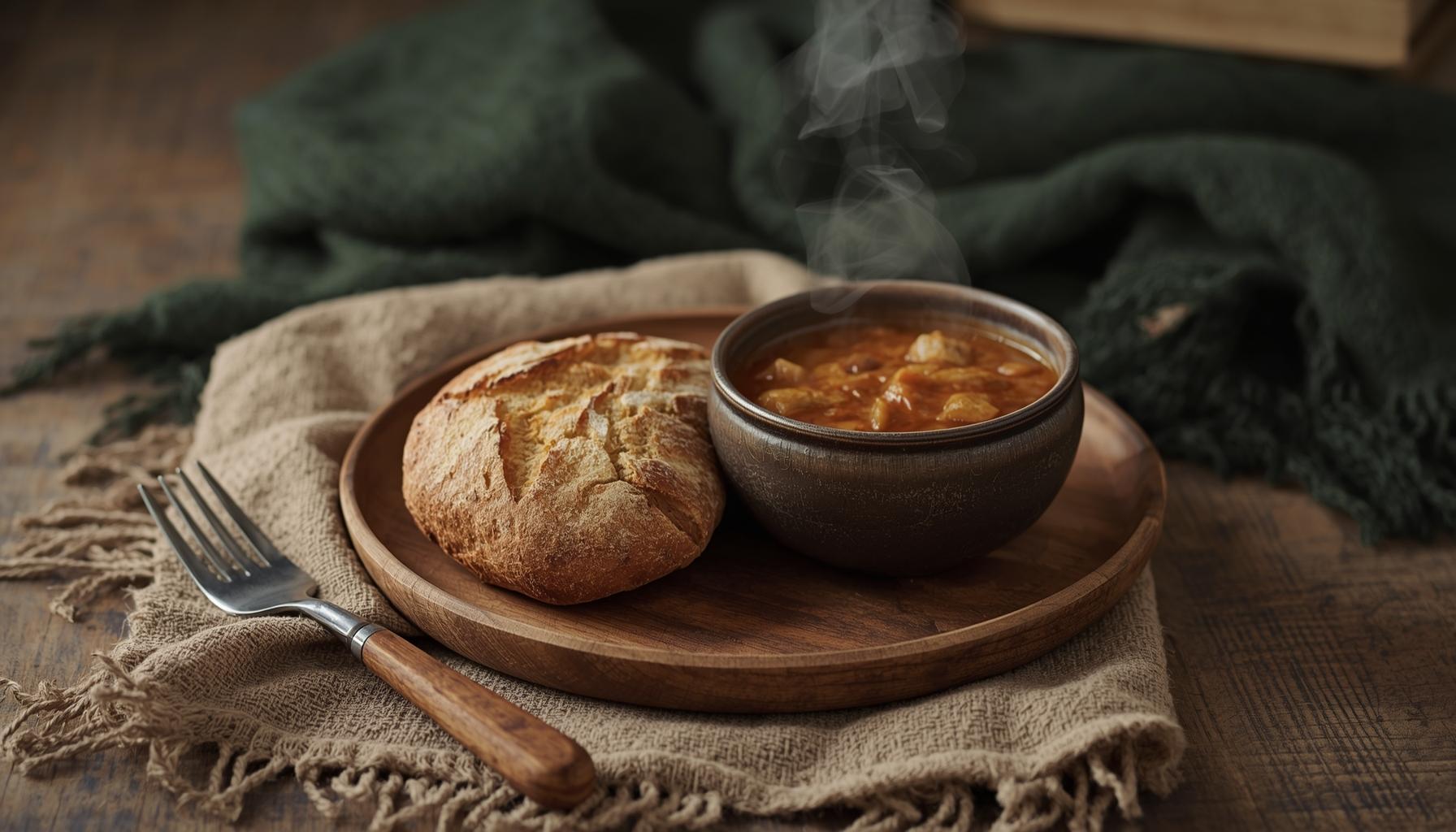
Warmth from a wood stove, laughter echoing off timber walls, and the smell of fresh bread define casual dining in mountain villages. Every detail feels rooted in tradition. Guests often linger after meals, drawn into conversations with locals or owners who grew up in the area.
Unlike city or chain restaurants, the pace is unhurried and the menu changes with the seasons. A family-run inn might serve wild mushrooms picked that morning, or cheese from a neighbor’s farm. The staff often remembers faces and stories, turning a simple meal into a welcome home.
When visitors expect fast service or generic fare, disappointment can follow. Patience reveals the reward: local recipes, genuine hospitality, and a sense of being part of the community.
How to choose the right restaurant
Families often need restaurants with flexible menus and relaxed seating, while solo travelers may prioritize quick service or counter options. The right choice in a mountain village can mean the difference between a memorable evening and a forgettable meal. Setting, menu variety, and staff attentiveness all shape the experience.
Finding family-friendly options
Mountain villages often feature restaurants that cater to hikers and couples, but families need specific offerings. A menu with only local game or spicy dishes can leave younger diners without options. Several signs indicate a place is equipped for family groups:
- Scan the menu for simple dishes such as pasta, grilled chicken, and vegetables that suit most children.
- Look for signs of amenities like high chairs, booster seats, or a small play area near the entrance or visible from the dining room.
- Observe whether staff engage warmly with children or bring coloring sheets and crayons as soon as families sit down.
- Check if the dessert list includes items like plain ice cream or fruit, which often signal a flexible kitchen.
- Notice whether the seating arrangement leaves space for strollers or lively movement without disturbing other tables.
Restaurant noise levels just before the lunch rush reveal whether families are regulars. Establishments that seat groups with children near window tables usually expect longer, more relaxed meals.
Evaluating local specialties and variety
Midweek evenings often reveal which restaurants prioritize local recipes over broad appeal. A menu anchored in valley cheese fondue or wild mushroom stew signals commitment to regional flavors, but that can limit options for those craving something familiar or lighter.
| Number of local dishes | Presence of international items | Seasonal ingredient use | Menu length |
|---|---|---|---|
| 7 out of 10 | Absent | High, daily specials | 10 items |
| 2 out of 12 | Multiple pasta and burgers | Low, static menu | 20 items |
| 4 out of 8 | Single pizza option | Medium, rotates monthly | 8 items |
| 9 out of 14 | None | Very high, based on market | 14 items |
| 3 out of 18 | Wide Asian and American range | Low, frozen imports | 18 items |
Mistaking menu size for quality often leads to disappointment with reheated or bland dishes. Identifying daily specials or seasonal plates typically reveals stronger local sourcing and fresher preparation.
An inviting atmosphere and a thoughtfully prepared menu remain central to a satisfying meal in any setting. Matching restaurant style to group needs and dining expectations leads to far better experiences.
What to expect from the menu and service

Menus in mountain village restaurants often feature hearty local dishes built around seasonal produce and traditional methods. Portion sizes tend to be generous, shaped by the need to satisfy after a day outdoors. Service usually feels unhurried, reflecting the slower pace of village life compared to city venues.
Typical dishes and portion sizes
Menus in mountain villages often highlight hearty, locally sourced dishes that reflect the region’s agricultural traditions. Smaller venues rarely offer the wide variety found in large cities, focusing instead on a handful of specialties prepared with what is freshest that day:
- Potato dumplings, stews with root vegetables, and grilled meats appear frequently as signature options.
- Soups feature wild mushrooms or lentils, usually served with thick bread rather than crackers or rolls.
- Cheese platters often include regional varieties, sometimes paired with homemade pickles or cured meats.
- Portion sizes tend to be noticeably larger than in most urban eateries, aimed at satisfying guests after outdoor activity.
- Desserts such as fruit tarts or baked puddings are commonly offered in modest but rich servings.
Ordering as one would in a city restaurant can result in wasted food or an unexpectedly heavy meal. Asking about dish sizes or sharing plates is common practice and prevents overordering.
Service style and pace
Dinner in a mountain village often unfolds at a gentler pace than in busy urban restaurants. Staff may juggle several roles, contributing to a rhythm that favors conversation and lingering. Distinctive features of village service appear in several ways:
- Unhurried courses – meals may stretch over two hours or more
- Staff who chat or share local anecdotes – service feels more like a visit
- Flexible seating – reservations might shift or tables get rearranged for groups
- Longer waits between courses – kitchens often run with only one or two cooks
- Personalized recommendations – servers suggest dishes based on seasonal produce
Arriving at least fifteen minutes ahead of the reserved time helps avoid rushing. Expect staff to remember frequent guests and offer tailored service on return visits.
Diners often notice both the rustic flavors and the relaxed service rhythm. Being ready for regional specialties and slower courses leads to a more rewarding meal.
